
Do you want to ensure your loved ones are financially secure, even in your absence? If yes, Trust is something you should look at.
Trust is a legal arrangement where one person or entity (the “trustee”) holds and manages assets or property on behalf of another person or group of people (the “beneficiaries”). The trustee is legally obligated to manage the assets in a manner that benefits the beneficiaries as per the terms and conditions set out in the trust deed or agreement.
There are different types of trusts and testamentary trusts, often established through a valid will, are used to provide for the ongoing care and financial support of loved ones after the testator’s death.
Trust must be customised to suit your family's needs.
The trust’s terms can be tailored to your specific needs and preferences, allowing for a high degree of flexibility in how the assets are managed and distributed.
Asset Protection
A testamentary trust can provide a layer of protection for the assets it holds. By placing assets in a trust rather than distributing them outright, the assets are shielded from various risks, such as creditors, lawsuits, or financial mismanagement. This is particularly relevant if the beneficiaries are minors or have limited financial experience.


Control Over Asset Distribution
Creating a testamentary trust allows the testator to specify how and when the assets should be distributed to the beneficiaries. This level of control can be crucial, especially if there are concerns about the beneficiaries’ ability to manage substantial assets responsibly or if there is a desire to stagger distributions over time.
Special Needs Planning
For individuals with dependents who have special needs or disabilities, a testamentary trust can be essential. It can ensure that the beneficiary receives the necessary financial support while preserving eligibility for government benefits, which might be affected if they inherit assets directly.



Continued Management
Through a testamentary trust, the testator can appoint a trustee to manage and invest the assets on behalf of the beneficiaries. This is particularly valuable when the beneficiaries are minors or lack the capacity to manage the assets themselves. The trustee’s role is to act in the best interest of the beneficiaries and adhere to the instructions outlined in the trust.
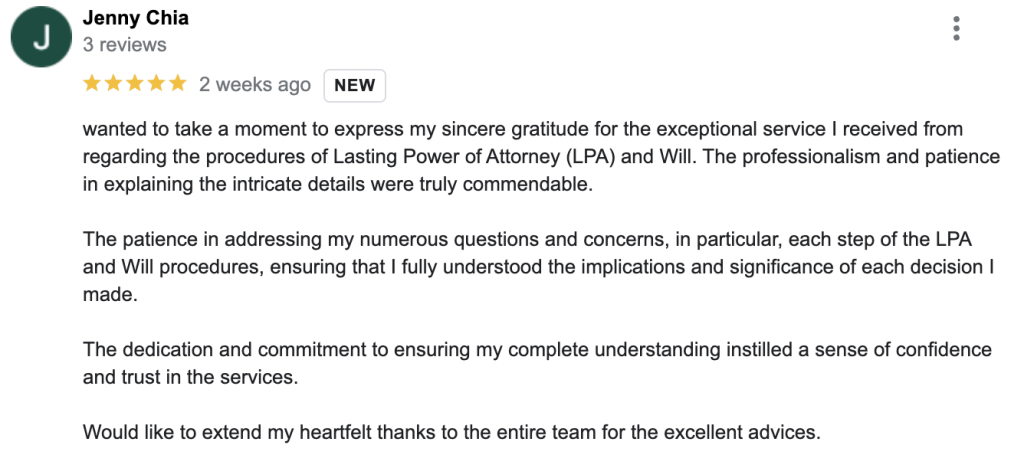
Client Testimonials




FAQs
While it is possible for a trustee to misuse a trust fund, the likelihood of this happening can be significantly reduced through careful selection of the trustee and appropriate safeguards. Here are some key points to consider:
Choosing a Trustworthy Trustee: Selecting the right trustee is crucial. It is best to appoint someone who is responsible, trustworthy, and has a good track record of managing financial matters. Many people choose a family member, close friend, or a professional trustee (such as a lawyer or financial institution) to ensure impartiality and expertise.
Clear Trust Provisions: The trust document should have clear and specific provisions outlining how the trust funds should be managed, invested, and distributed. The more detailed and specific the instructions, the less room there is for potential misuse.
Professional Trustees: Opting for a professional trustee can provide an added layer of protection. They are bound by fiduciary duties and have a legal obligation to act in the best interests of the beneficiaries. Professional trustees are less likely to engage in any misconduct due to their reputational risk and accountability.
Regular Oversight and Reporting: The trust document can require the trustee to provide regular financial reports and updates to the beneficiaries or a designated third party. Regular oversight helps ensure that the trustee is acting responsibly and transparently.
Co-Trustees or Successor Trustees: You can appoint multiple trustees or successor trustees to jointly manage the trust. This arrangement provides checks and balances, reducing the risk of a single trustee acting improperly.
Trust Protectors: Some trusts include a provision for a “trust protector” who has the authority to remove and replace trustees if they are not fulfilling their duties appropriately.
Reviewing and Updating the Trust: Periodically reviewing the trust document and updating it as needed ensures that it reflects any changes in your circumstances or preferences.
Legal Recourse: If a trustee does misuse the trust fund, beneficiaries can seek legal recourse to hold the trustee accountable and potentially recover misappropriated assets.
It’s essential to work with an experienced estate planning attorney to draft a well-structured trust document and to understand the rights and responsibilities of all parties involved. By taking these precautions, you can help minimize the risk of trust fund misuse and ensure that your assets are protected and managed in line with your intentions.
A testamentary trust is a type of trust that is established through a person’s will and comes into effect after their death. It is created by including specific trust provisions within the individual’s last will and testament. Unlike other types of trusts that are set up during a person’s lifetime, a testamentary trust only takes effect upon the testator’s (the person who created the will) passing.
Testamentary trusts are commonly used for various estate planning purposes, such as:
- Providing for the financial needs of minor children until they reach a specified age of maturity.
- Protecting the assets of beneficiaries who may not be capable of managing their finances, such as individuals with disabilities or special needs.
- Supporting a surviving spouse while preserving assets for the benefit of other beneficiaries, such as children from a previous marriage.
- Establishing charitable legacies to support specific causes or organizations.
One key advantage of a testamentary trust is that it allows the testator to retain full control over their assets during their lifetime while ensuring that their wishes are carried out after their passing. Additionally, testamentary trusts can provide potential tax benefits and may help avoid the probate process for the assets held within the trust.
To create a testamentary trust, it is essential to work with a qualified estate planning company like WeWills Legacy to ensure that the trust is properly drafted, meets legal requirements, and aligns with the your intentions.